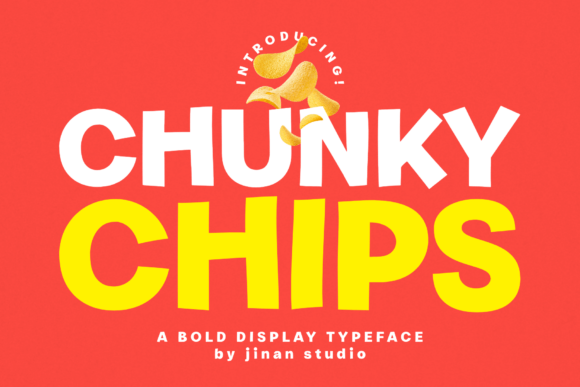
Chunky Chips: A Bold Typeface with Flavor and Personality
Chunky Chips is more than just a font—it's a design statement. With its thick, confident shapes and a lively, cheerful vibe, this playful display typeface is crafted to make your food branding stand out. Whether you're designing snack packaging, restaurant logos, or food posters, Chunky Chips delivers a bold and appetizing visual punch. Each letter is designed to feel dynamic and fun, just like the crispy chips it's named after.
Why Designers and Brands Are Choosing Chunky Chips
Designers and entrepreneurs are increasingly drawn to Chunky Chips because of its ability to convey energy and approachability. It’s especially popular in the food and beverage industry where brands want to evoke a sense of fun, flavor, and friendliness. The typeface works well in both digital and print formats, making it versatile for a variety of creative applications—from social media graphics to product labels and beyond.
Common Mistakes When Choosing and Using Chunky Chips
While Chunky Chips offers a distinctive style, there are a few common pitfalls that users often fall into when selecting or applying the font. Being aware of these issues can help you avoid design missteps and ensure your project looks polished and professional.
1. Overusing Chunky Chips in Lengthy Text
One of the most frequent mistakes is using Chunky Chips for body text or long-form content. Its bold, chunky nature makes it ideal for headlines, logos, and short bursts of text—but not for extended reading. When used in paragraphs or detailed descriptions, it can become visually overwhelming and difficult to read.
Better approach: Use Chunky Chips for titles, callouts, or branding elements, and pair it with a clean, readable sans-serif or serif font for supporting text.
2. Ignoring Licensing Terms
Some designers download or purchase Chunky Chips without checking the licensing agreement. This can lead to legal issues, especially if the font is used in commercial projects or distributed beyond the permitted scope.
Better approach: Always verify the font’s license before using it in any project. Make sure it includes commercial use if you're applying it to a brand, product, or service that generates income.
3. Failing to Test Across Devices and Sizes
Chunky Chips looks fantastic in large formats, but some designers overlook how it appears at smaller sizes or on different screens. In some cases, the thick strokes can blur or lose clarity, especially on lower-resolution displays.
Better approach: Test the font at various sizes and across devices before finalizing your design. Consider using it selectively where visibility and impact are most important.
4. Pairing with Incompatible Fonts
Another common error is pairing Chunky Chips with fonts that clash in style or weight. For example, combining it with another bold or decorative typeface can create visual chaos and dilute the message.
Better approach: Choose complementary fonts that balance Chunky Chips’ boldness. A simple, modern sans-serif like Montserrat or Lato often works well as a supporting typeface.
What to Check Before Downloading or Buying Chunky Chips
Before you commit to using Chunky Chips, take a few moments to verify a few important details. Doing so can save you time, effort, and potential headaches down the line.
- Font Format: Ensure the font comes in the formats you need (e.g., .otf, .ttf, .woff) for both desktop and web use.
- Ligatures and Alternates: Check if the font includes stylistic alternates, ligatures, or multiple weights. These features can add versatility to your design.
- Character Set: If your project requires special characters or multilingual support, confirm that the font covers those needs.
- Vendor Reputation: Purchase from a trusted source to ensure quality and avoid counterfeit or poorly coded versions of the font.
Maximizing the Impact of Chunky Chips in Your Design
To get the most out of Chunky Chips, consider how it aligns with your brand personality and design goals. It’s particularly effective when used in contexts that call for a youthful, energetic, or indulgent tone. Think food trucks, snack brands, dessert cafes, or casual eateries that want to connect with customers in a lighthearted and memorable way.
When applied thoughtfully, Chunky Chips can help your brand stand out in a crowded market. It adds a touch of whimsy without sacrificing professionalism, making it a smart choice for creatives who want to inject personality into their work.
Real-World Examples of Chunky Chips in Action
Consider a local burger joint launching a new summer campaign. Using Chunky Chips for the headline “BBQ Blowout” on posters and social media graphics gives the message an instant pop of fun and flavor. Paired with a clean subheading in a minimalist font, the design feels cohesive and appetizing.
In another example, a new line of gourmet potato chips uses Chunky Chips on its packaging to emphasize the bold flavors inside. The font reinforces the product’s personality and helps it stand out on store shelves.
Final Thoughts: Choosing the Right Tools for the Job
Chunky Chips is a powerful design tool when used correctly. It brings personality, clarity, and visual impact to food-related branding and creative projects. However, like any design element, its effectiveness depends on how thoughtfully it's applied. By avoiding common mistakes—such as overuse, poor pairing, or ignoring licensing—you can ensure that your designs not only look great but also communicate your message clearly and professionally.