Dreaming Beach: A Versatile Display Font for Modern Design
Typography plays a pivotal role in shaping how audiences perceive visual content. Among the growing selection of modern display fonts, Dreaming Beach stands out as a compelling choice for designers seeking a balance between simplicity and personality. With its clean structure and subtle warmth, this font has become a go-to option for branding, digital interfaces, and packaging design.
Understanding the Design Language of Dreaming Beach
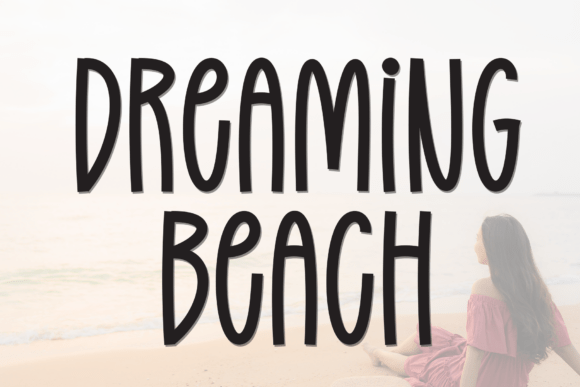
The visual identity of Dreaming Beach is rooted in minimalism and approachability. Its letterforms are crafted with clean lines and balanced proportions, making it both readable and aesthetically pleasing. The subtle rounded edges soften its appearance, contributing to a friendlier tone without sacrificing professionalism.
Unlike overly stylized fonts that can feel out of place in formal contexts, Dreaming Beach maintains a polished finish. This quality allows it to function well in a wide range of applications, from editorial layouts to mobile app interfaces. The font's design bridges the gap between handwritten authenticity and digital clarity, making it a versatile asset in modern typography.
Key Characteristics of Dreaming Beach
- Clean and modern structure with a minimalist appeal
- Balanced letterforms that enhance readability at various sizes
- Subtle rounded edges that add warmth and approachability
- Polished finish that supports both casual and professional use
Practical Applications for Dreaming Beach
Designers often seek fonts that can perform well across different mediums without losing their visual integrity. Dreaming Beach fits this need by offering a high degree of adaptability. Whether used in print or digital environments, it retains its clarity and charm.
Branding and Identity Design
In the realm of brand development, typography is a key component of visual identity. Dreaming Beach can be effectively used for logotypes, brand slogans, and marketing materials. Its friendly yet refined appearance makes it particularly suitable for lifestyle brands, wellness services, and creative businesses that aim to convey authenticity and warmth.
Editorial and Packaging Design
For editorial design, Dreaming Beach can be applied to headlines, pull quotes, and subheadings where a clean yet expressive typeface is needed. In packaging, it works well for product labels, tags, and promotional inserts. Its legibility and modern aesthetic help products stand out on shelves while maintaining a cohesive design language.
Digital and UI Design
In digital spaces, readability and visual harmony are crucial. Dreaming Beach performs well in user interfaces, particularly in mobile applications, landing pages, and web banners. Its structured yet approachable form ensures that text remains engaging without overwhelming the viewer.
Why Dreaming Beach Works Across Design Contexts
The success of a font in diverse environments often depends on how well it balances form and function. Dreaming Beach achieves this by combining clarity with a touch of personality. It doesn’t overpower a design, but rather enhances it with a sense of warmth and modernity.
Clarity Without Compromise
One of the most notable strengths of Dreaming Beach is its ability to remain legible even at smaller sizes. This is particularly valuable in digital design, where screen space is limited and readability is essential. The font’s open counters and well-spaced characters contribute to this clarity.
Emotional Resonance Through Typography
Typography is not just about communication—it also evokes emotion. Dreaming Beach has a gentle, human quality that makes it feel more personal than many standard sans-serif fonts. This emotional resonance can be especially effective in campaigns targeting audiences who value authenticity and craftsmanship.
Design Considerations When Using Dreaming Beach
While Dreaming Beach is highly versatile, thoughtful implementation is key to maximizing its impact. Designers should consider several factors when incorporating it into their projects.
Pairing with Complementary Fonts
Like most display fonts, Dreaming Beach works best when paired with a more neutral typeface for body text or secondary content. Sans-serif fonts with a clean structure, such as Helvetica or Roboto, provide a balanced contrast. For a more organic feel, serif fonts like Merriweather or Playfair Display can also work well depending on the design context.
Spacing and Layout Integration
Due to its rounded edges and open letterforms, Dreaming Beach benefits from careful attention to spacing. Kerning and line height should be adjusted to maintain visual harmony, especially in longer headlines or multi-line text blocks. Overcrowding can diminish its readability and dilute its character.
Color and Background Interaction
The font’s clean lines and subtle curves respond well to a variety of color schemes. It performs particularly well against light or neutral backgrounds, where its details remain crisp and defined. When used in darker contexts, it may require slight adjustments in weight or contrast to ensure optimal visibility.
Real-World Examples of Dreaming Beach in Use
Across industries, designers have found creative ways to incorporate Dreaming Beach into their visual storytelling. From boutique branding to digital campaigns, its presence is growing in both personal and commercial projects.
- A wellness retreat uses Dreaming Beach in its logo and promotional materials to evoke a sense of calm and approachability.
- A mobile app for journaling and mindfulness incorporates the font in its interface to reinforce a soft, user-friendly experience.
- An independent coffee brand applies the font to its packaging labels, enhancing the product’s artisanal appeal.
Conclusion: A Font That Balances Style and Substance
In the evolving landscape of digital and print design, Dreaming Beach offers a refreshing alternative to more rigid or overly decorative fonts. Its clean, modern structure combined with a warm and personable tone makes it a versatile tool for designers across disciplines. Whether used for branding, editorial work, or UI design, it brings clarity and charm in equal measure.