Squishy Chewy Font: A Playful Typeface for Creative Design Projects
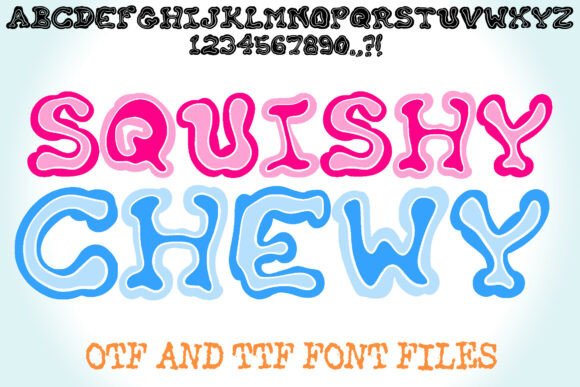
When it comes to typography that stands out while maintaining readability, Squishy Chewy Font offers a unique blend of whimsy and functionality. Designed to resemble gummy candy and gooey textures, this bold, bouncy display typeface brings a sense of fun and approachability to design work. Each letter appears stretchy and soft, mimicking the look of chewy treats. This makes it a compelling choice for designers looking to inject personality into their projects without sacrificing clarity.
What Sets Squishy Chewy Apart?
Unlike traditional serif or sans-serif fonts commonly used for body text, Squishy Chewy is built for visual impact. Its thick, rounded shapes and quirky outlines make it ideal for display use in branding, invitations, and merchandise. The font’s black outline on capital letters adds a distinctive edge, while the inclusion of numbers expands its utility for design elements that require both letters and digits.
Available in both OTF and TTF formats, this font installs easily across a variety of design platforms, including Procreate, Canva, Photoshop, Illustrator, and Cricut Design Space. Whether you're creating a logo for a candy shop or designing party invitations, Squishy Chewy Font delivers a playful aesthetic that’s hard to replicate with more conventional typefaces.
How Does Squishy Chewy Compare to Similar Fonts?
There are many decorative fonts on the market that aim to capture a fun or quirky vibe. However, Squishy Chewy distinguishes itself through its balance of style and legibility. Some playful fonts can become difficult to read at smaller sizes or in longer blocks of text, but Squishy Chewy maintains clarity due to its bold structure and open spacing.
Compared to other candy-themed or bubbly fonts, Squishy Chewy leans more toward a tactile, stretchy aesthetic rather than a purely rounded or cartoonish look. This gives it a unique character that can help differentiate a brand or design from more generic options. That said, if a project requires a subtler or more refined appearance, a simpler display font or even a clean sans-serif might be more appropriate.
Strengths of Squishy Chewy
- High visual appeal – Its candy-like appearance makes it eye-catching and memorable.
- Excellent for display use – Works well in logos, headings, and promotional materials.
- Easy to install and use – Compatible with major design software and cutting machines like Cricut.
- Distinctive outline style – The black outline on uppercase letters adds depth and contrast.
Tradeoffs and Limitations
While Squishy Chewy Font excels in certain design contexts, it’s not a one-size-fits-all solution. Its decorative nature makes it less suitable for long-form body text or formal documents. Additionally, because of its candy-inspired design, it may not align with every brand identity—particularly those aiming for a minimalist, professional, or high-end aesthetic.
Another consideration is the font’s character set. Since it includes only capital letters and numbers, it may not be the best fit for projects that require lowercase letters or punctuation-heavy text. Designers should also be mindful of how the font interacts with other design elements to avoid visual clutter or imbalance.
When Squishy Chewy Is the Right Choice
Squishy Chewy Font shines in creative contexts where a fun, youthful, or lighthearted tone is desired. It works particularly well for:
- Branding for children’s products or candy shops – Its playful appearance aligns well with brands targeting younger audiences or food-related niches.
- Party invitations and greeting cards – The font’s energetic look adds a festive feel to event designs.
- Merchandise and stickers – Its bold structure holds up well when printed on physical items.
- DIY and craft projects – Especially popular among Cricut users who want to create eye-catching vinyl designs.
If your project aims to evoke joy, whimsy, or a sense of indulgence, Squishy Chewy can be a powerful visual tool.
When to Consider Alternatives
Despite its strengths, there are situations where Squishy Chewy Font may not be the best option. For example:
- Professional or formal branding – More subdued fonts may better reflect the tone of corporate or luxury brands.
- Text-heavy layouts – The font’s decorative nature can become overwhelming in longer passages.
- Projects requiring full character sets – If lowercase letters or special characters are essential, a more comprehensive font may be necessary.
In such cases, exploring alternatives like soft sans-serif fonts, minimalist display fonts, or even hand-drawn lettering styles might yield better results.
Practical Comparisons and Real-World Use
Let’s say you're designing a logo for a new ice cream shop. Squishy Chewy Font could help convey a sense of sweetness and fun, making the brand feel approachable and vibrant. In contrast, if you're creating a financial services brochure, a cleaner, more traditional font would better communicate trust and professionalism.
For digital artists or crafters using Cricut Design Space, Squishy Chewy offers an easy way to add a custom, handcrafted look to stickers, t-shirts, or wall art. Its compatibility with a wide range of design tools ensures that users don’t run into technical roadblocks, which is a common issue with less widely supported decorative fonts.
Making the Right Choice for Your Project
Selecting the right font is more than just a matter of personal taste—it’s about aligning typography with the message, audience, and medium. Squishy Chewy Font is a strong contender when the goal is to create something memorable and engaging in a playful context. However, designers should always consider the broader design system and how the font interacts with other visual elements.
If you're evaluating fonts for a project, ask yourself the following questions:
- What tone or emotion should this design convey?
- Who is the intended audience?
- Will the font be used in print, digital, or product formats?
- Does the font support the required character set and technical compatibility?
By answering these questions thoughtfully, you can determine whether Squishy Chewy Font is the right fit—or if another typeface might serve your needs more effectively.