Super Blind: A Strategic Typography Choice for Bold Visual Communication
Typography is more than just selecting a font that looks good — it's a strategic decision that affects how your message is received, interpreted, and remembered. Super Blind stands out as a typeface that merges strong geometric forms with playful curves, creating a visual language that’s both modern and commanding. Understanding when and how to use it can significantly enhance your design outcomes, especially when clarity, impact, and memorability are key objectives.
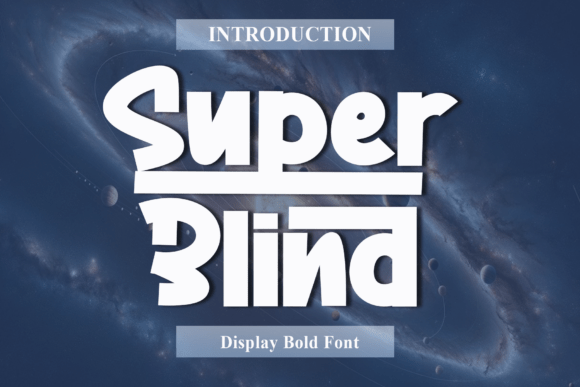
At its core, Super Blind is a bold geometric display typeface designed for high visibility and strong presence. Its thick strokes and sharp angles give it a futuristic, almost architectural feel, while the rounded elements add a sense of creativity and approachability. This duality makes it versatile across a range of applications — from branding to advertising, and from digital assets to print media.
Why Super Blind Works Strategically in Design
Designers and marketers often look for typefaces that not only communicate the right tone but also support broader strategic goals. Super Blind does this by combining visual strength with adaptability. When used thoughtfully, it can:
- Enhance brand recognition through consistent, bold typographic identity
- Command attention in competitive visual environments like social media feeds or packaging shelves
- Support storytelling in gaming, sci-fi, and futuristic themes through typographic tone
- Improve readability in titles and headers where impact matters more than fine detail
The strategic value of Super Blind lies in its ability to convey confidence and modernity without sacrificing personality. It’s not a font that blends into the background — it’s meant to be seen, felt, and remembered.
Use Cases That Maximize Super Blind’s Impact
Certain design contexts benefit more from the distinctive qualities of Super Blind. Knowing where to apply it can make the difference between a design that’s merely loud and one that’s strategically effective.
- Branding and Logo Design: When a brand wants to project strength, innovation, or boldness, Super Blind can serve as a powerful typographic foundation. It works especially well for tech startups, sports brands, or creative agencies aiming to stand out.
- Merchandise and Packaging: From t-shirts to product labels, the thick strokes and high contrast of Super Blind ensure legibility and visual punch even at small sizes or from a distance.
- Social Media Graphics: In fast-scrolling feeds, attention is fleeting. Using Super Blind for headlines and callouts can help your content cut through the noise and drive engagement.
- Gaming and Sci-Fi Visuals: The futuristic edge of this typeface makes it ideal for UI elements, game titles, and promotional assets in the gaming and entertainment industries.
- Event Posters and Promotions: Whether for concerts, conferences, or local events, Super Blind helps create a strong visual hierarchy that draws the eye and communicates urgency or excitement.
How to Use Super Blind with Intention
Using Super Blind effectively requires more than just installing the font and applying it to a headline. Strategic use involves understanding your goals, your audience, and the visual ecosystem in which the typeface will appear.
Start by asking: What message are you trying to convey? If your goal is to evoke strength, innovation, or boldness, Super Blind aligns well. If subtlety or elegance is your aim, this typeface may overpower rather than support your intent.
Consider pairing it with more neutral or minimalist design elements to balance its strong presence. For example, using Super Blind for a headline while keeping supporting text in a clean sans-serif can create visual contrast without overwhelming the viewer.
Also, think about the medium. Super Blind performs exceptionally well in digital formats where bold visuals are key, but it’s equally effective in print when used for headlines, posters, or signage. Just be mindful of resolution and legibility at smaller sizes, especially in low-contrast environments.
Planning for Long-Term Brand Consistency
Fonts are part of a brand’s visual identity system. If you’re considering Super Blind for long-term use, integrate it into a broader brand typography strategy. This includes defining rules for when and how it should be used, what other fonts it pairs with, and how it supports the brand’s personality and positioning.
For instance, a brand might use Super Blind exclusively for headlines and promotional materials, while opting for a more legible sans-serif for body copy or digital content. Establishing these guidelines ensures consistency across platforms and prevents overuse or misuse that could dilute its impact.
When Not to Use Super Blind
While Super Blind is powerful, it’s not a one-size-fits-all solution. There are scenarios where its boldness can work against your goals:
- Long-form body text: Its thick strokes and geometric structure make it less suitable for extended reading. It’s best reserved for headlines, titles, and short bursts of text.
- Formal or traditional industries: Financial institutions, legal firms, or academic organizations may find that Super Blind clashes with the tone they need to maintain.
- Minimalist or understated designs: If your design aesthetic leans toward simplicity or elegance, this typeface might feel out of place.
Using Super Blind without a clear understanding of your audience or context can lead to misalignment between your visual choices and your message. Always evaluate its use within the broader framework of your design and communication strategy.
Strategic Typography: Making Informed Design Decisions
Choosing a typeface like Super Blind should be part of a larger, intentional design process. Consider the following when making typographic decisions:
- Define your objective: Are you trying to grab attention, build brand identity, or communicate a specific tone? Align your font choice with your goal.
- Know your audience: Different audiences respond to different visual cues. A youthful, tech-savvy audience may appreciate the futuristic edge of Super Blind, while a more conservative audience might interpret it as playful or informal.
- Test across platforms: See how the typeface performs in different environments — mobile, print, dark mode, etc. — to ensure consistent legibility and impact.
- Evaluate scalability: Will the typeface remain effective at smaller sizes or in low-resolution settings? Always test before committing.
- Review brand alignment: Does it fit within your existing visual identity, or does it signal a shift in brand direction? Make sure the change is intentional and supported by broader brand strategy.
Final Thoughts: Typography as a Strategic Tool
Super Blind is more than a bold, geometric typeface — it’s a strategic asset when used with purpose. Its ability to command attention, support brand identity, and enhance visual communication makes it a valuable tool for designers, marketers, and business owners alike.
But like any design element, its power lies in how it’s applied. By aligning its use with your goals, audience, and brand identity, you can ensure that every typographic choice contributes meaningfully to your overall strategy. Whether you’re designing a logo, a poster, or a digital campaign, Super Blind offers a strong foundation for creating visuals that are not only bold but also strategically sound.