Boxing Day: A Typeface That Packs a Punch
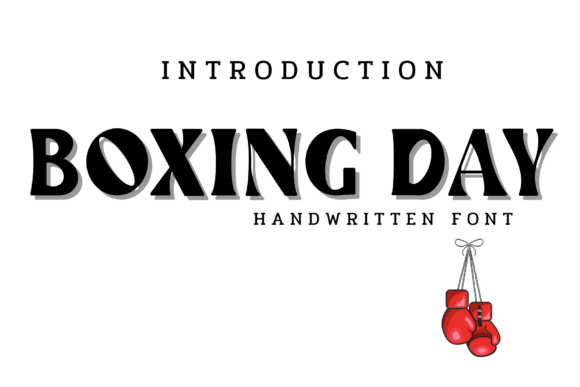
If you're looking to inject boldness and personality into your design work, Boxing Day might be the knockout solution you've been searching for. More than just another font, Boxing Day is a dynamic, handcrafted typeface designed to command attention and convey energy. Whether you're working on branding, promotional materials, or digital graphics, this font stands out with its unique blend of strength and character.
Why Boxing Day Stands Out
Boxing Day is crafted with bold strokes and a playful handwritten style that brings a sense of movement and attitude to any project. Its design balances sharp edges with expressive flair, making it ideal for sport-themed branding, fitness posters, event promotions, and more. What sets Boxing Day apart is its ability to maintain readability while delivering visual impact—whether it's on a printed poster or a digital banner.
This font supports a wide range of characters, including uppercase and lowercase letters, numbers, punctuation, and multilingual symbols. Its handcrafted nature gives it a unique, authentic feel that can elevate everything from product packaging to social media graphics.
Common Mistakes When Choosing and Using Boxing Day
While Boxing Day is a powerful design tool, there are several pitfalls users often fall into when selecting and applying it. These mistakes can affect the clarity, professionalism, and overall effectiveness of your design.
1. Overusing the Font
One of the most common errors is using Boxing Day for every element of a design. Because of its bold nature, it works best as a headline or accent font. Using it for body text or long paragraphs can make your design feel overwhelming and hard to read.
Better approach: Use Boxing Day for titles, headlines, or short phrases. Pair it with a clean sans-serif or serif font for body text to create contrast and improve readability.
2. Ignoring Licensing Terms
Another issue many designers encounter is not checking the licensing agreement before downloading or using Boxing Day. Some fonts are free for personal use but require a license for commercial projects. Failing to comply with these terms can lead to legal issues and unexpected costs.
Better approach: Always verify the licensing information before using Boxing Day in any project, especially if it's for a client or business purpose. Purchase the appropriate license if needed.
3. Misjudging the Design Context
Boxing Day’s energetic style isn’t suitable for every design scenario. Using it in formal or minimalist contexts—like legal documents, academic papers, or corporate reports—can clash with the tone and expectations of the audience.
Better approach: Consider the message and audience of your project. Boxing Day thrives in dynamic, high-energy environments like sports branding, event posters, and lifestyle marketing. Save more subdued fonts for formal or technical materials.
4. Not Testing Across Platforms
Designers sometimes assume that Boxing Day will look the same across all platforms and devices. However, rendering can vary depending on screen resolution, software, and file format. This oversight can lead to inconsistent visual results, especially in digital applications.
Better approach: Preview your design on multiple devices and export it in different formats to ensure the font maintains its intended appearance. If using on the web, check compatibility with web-safe font formats.
How to Choose the Right Version of Boxing Day
Boxing Day may come in different weights, styles, or packages. Some versions include additional glyphs, alternate characters, or extended language support. Skipping this step can limit your design flexibility or lead to missing characters in international projects.
What to check:
- Does the version include uppercase, lowercase, numbers, and punctuation?
- Is there multilingual support if your project requires it?
- Are alternate characters or stylistic sets available for customization?
- Is the font optimized for both print and digital use?
Reviewing these details before finalizing your download or purchase can save time and prevent design inconsistencies later on.
Pairing Boxing Day With Other Fonts
One of the keys to using Boxing Day effectively is knowing how to pair it with complementary fonts. The goal is to create a visual hierarchy that guides the viewer’s eye while maintaining aesthetic harmony.
Tip: Look for fonts that contrast with Boxing Day’s boldness but share a similar tone. For example:
- Modern sans-serif: Try pairing with fonts like Montserrat or Lato for a clean, contemporary look.
- Classic serif: Combine with Georgia or Playfair Display for a more refined, elegant contrast.
Avoid pairing Boxing Day with other overly decorative or script fonts, as this can create visual clutter and reduce legibility.
Practical Applications of Boxing Day
Thanks to its versatility, Boxing Day works well in a variety of design contexts:
- Gym and fitness branding: Use it in logo designs, class banners, or motivational posters to evoke strength and energy.
- Event and festival promotions: Its high-impact style makes it perfect for concert flyers, sports events, and seasonal campaigns.
- Product packaging: Stand out on shelves with bold labels or limited-edition packaging that uses Boxing Day for key messaging.
- Social media graphics: Grab attention quickly with headlines and call-to-action text in Boxing Day, especially for lifestyle or fitness-related content.
Final Thoughts
Boxing Day is more than a font—it's a design statement. Its bold, expressive style can elevate your projects when used thoughtfully and appropriately. By avoiding common mistakes like overuse, licensing issues, and poor font pairing, you can ensure that your work not only looks great but also communicates effectively.
Before downloading or purchasing, take a moment to evaluate your project’s needs, test the font in context, and confirm licensing details. With the right approach, Boxing Day can be a powerful ally in your creative toolkit—delivering impact, personality, and unforgettable energy every time.