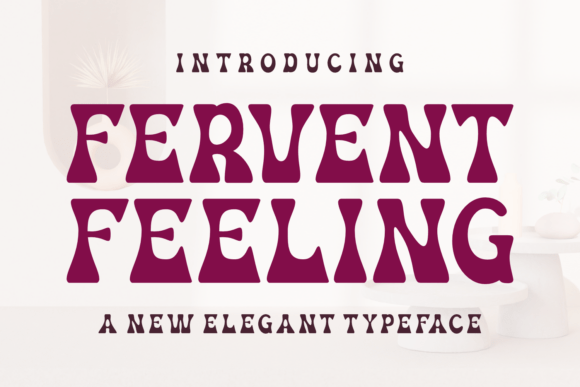
Fervent Feeling – A Typeface That Speaks with Passion and Precision
Typography is more than just letters on a page—it’s a language of emotion, a visual heartbeat that pulses through every design. Enter Fervent Feeling, a display font that effortlessly marries the warmth of vintage elegance with the clarity of modern design. With its sculpted serifs and flowing curves, this typeface isn’t just a tool—it’s a statement.
More Than Just a Pretty Face
At first glance, Fervent Feeling captivates with its bold presence and graceful structure. But what truly sets it apart is the intention behind every stroke. The curves are not simply decorative; they’re deliberate, guiding the eye with a sense of rhythm and movement. The serifs, subtly refined, add a touch of sophistication without overpowering the overall design.
Designers looking for a font that carries both weight and warmth will find Fervent Feeling to be a compelling choice. Whether used in a high-end logo or a romantic book cover, this typeface ensures that your message doesn’t just get read—it gets felt.
Perfect for Display Design
Fervent Feeling shines brightest in display settings. Its expressive nature makes it ideal for:
- Headlines that demand attention
- Brand identities that crave distinction
- Packaging that tells a story at a glance
- Editorial layouts where typography is part of the narrative
This isn’t a font for long paragraphs or body copy. It’s meant to be showcased. In a world where visual impact often comes before content, Fervent Feeling gives your design that crucial edge.
How It Fits Into Modern Design Workflows
Today’s designers are juggling aesthetics with functionality more than ever. Fervent Feeling slots seamlessly into modern creative workflows, especially when paired with minimalist layouts and refined color schemes. Its presence is strong enough to stand alone, yet flexible enough to complement a broader design strategy.
For example, in luxury branding, Fervent Feeling can be used to craft a logo that exudes confidence and timelessness. In editorial design, it can serve as a headline font that draws readers in with its expressive curves and elegant structure.
Pairing Fervent Feeling with Other Fonts
One of the most powerful aspects of Fervent Feeling is its versatility in pairing. Because of its expressive nature, it pairs best with clean, understated fonts that let it take center stage. Consider using it with:
- Sans-serif fonts like Montserrat or Lato for contrast and clarity
- Classic serif fonts like Georgia for a more traditional layout
- Minimalist script fonts to maintain a cohesive, elegant theme
When designing with Fervent Feeling, think of it as the lead actor in your typographic ensemble—supporting fonts should enhance, not compete.
Real-World Applications and Creative Uses
Let’s explore some practical applications where Fervent Feeling truly comes to life:
- Luxury Logos: From fashion houses to artisanal brands, Fervent Feeling adds a touch of sophistication and personality that resonates with discerning audiences.
- Fashion Editorials: Whether it’s a magazine cover or a lookbook title, this font enhances the emotional tone of the visuals it accompanies.
- Wedding Invitations: Its romantic curves and elegant serifs make it ideal for designs that need to feel both personal and polished.
- Packaging Design: Especially in the beauty and lifestyle industries, where first impressions matter, Fervent Feeling helps products stand out on shelves and online.
- Book Covers: For romance novels, memoirs, or art books, this font communicates depth, passion, and creativity.
These are just a few examples. The key is to use Fervent Feeling where emotional resonance and visual impact are priorities.
Why Designers Are Choosing Fervent Feeling
Modern designers are looking for tools that offer both aesthetic appeal and emotional weight. Fervent Feeling delivers on both fronts. Its unique blend of vintage charm and contemporary clarity makes it versatile across industries. It’s not just about how it looks—it’s about how it makes the viewer feel.
Moreover, Fervent Feeling supports a wide range of characters and ligatures, making it accessible for international projects and multilingual designs. This adaptability is a major advantage in today’s globalized design landscape.
Considerations When Using Fervent Feeling
While Fervent Feeling is a powerful design asset, it’s important to use it thoughtfully. Here are a few considerations to keep in mind:
- Size Matters: This font is best used at larger sizes where its details can be appreciated. Avoid using it in small text where serifs and curves may become lost.
- Spacing is Key: To let the font breathe, ensure adequate letter and line spacing, especially in headlines or titles.
- Color Contrast: Pair Fervent Feeling with high-contrast colors to ensure readability and visual impact.
- License Appropriately: Always verify that the font license aligns with your intended use, especially for commercial or web-based projects.
By respecting these nuances, you’ll ensure that Fervent Feeling enhances your design rather than overwhelms it.
Bringing Passion to Your Projects
In a digital world where attention spans are fleeting, typography has the power to stop someone in their tracks. Fervent Feeling is not just another font—it’s a design companion that brings warmth, confidence, and creativity to every project it touches.
Whether you're crafting a brand identity from scratch or adding the finishing touch to a magazine layout, Fervent Feeling offers a unique blend of emotion and elegance. It invites viewers to not only read the message but to feel it.
Final Thoughts
Fervent Feeling is more than a typeface—it’s a design philosophy. It reminds us that typography is not just about communication, but about connection. With its flowing curves and confident strokes, it bridges the gap between past and present, between art and utility, between seeing and feeling.
If you're looking to elevate your next design with a font that speaks volumes, Fervent Feeling might just be the perfect choice. Let your words not only be seen but remembered.