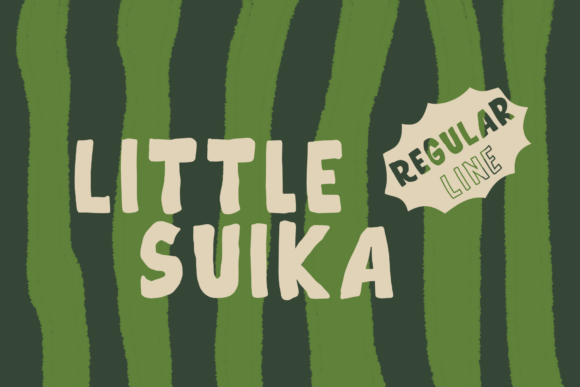
Exploring Creativity with Little Suika: A Font That Stands Out
Understanding the Appeal of Little Suika
Little Suika is more than just a typeface; it's a statement. Designed with a playful yet professional edge, this display font captures attention through its unique character shapes and rhythmic spacing. Unlike conventional sans-serif or serif fonts, Little Suika introduces a sense of whimsy without compromising legibility. Its rounded edges and slightly exaggerated curves make it ideal for branding, web design, and creative projects where personality matters.
At its core, Little Suika blends modern design principles with a touch of retro charm. The font's name, inspired by the Japanese word for "watermelon," reflects its refreshing and vibrant nature. Just like a slice of watermelon on a hot day, Little Suika brings a burst of energy to any visual composition it's part of.
Practical Applications of Little Suika in Design
Designers are always on the lookout for fonts that can enhance visual storytelling. Little Suika offers a versatile solution for a variety of use cases:
- Brand Identity: Logos, product packaging, and marketing materials benefit from the font’s distinctive look, helping brands stand out in competitive markets.
- Web and UI Design: Used sparingly in headlines or call-to-action buttons, Little Suika adds a modern flair to digital interfaces without overwhelming the user.
- Editorial Design: From magazine covers to children's book illustrations, this font introduces a sense of fun while maintaining a professional tone.
- Social Media Graphics: With its eye-catching appeal, Little Suika is a great choice for Instagram stories, TikTok overlays, and YouTube thumbnails.
Its legibility at larger sizes makes it particularly effective in environments where visual impact is key. However, designers should be cautious when using it in body text, as its stylized nature may reduce readability in long paragraphs.
Why Little Suika Works Well in Creative Projects
One of the reasons Little Suika has gained popularity among creatives is its ability to evoke emotion. Fonts are not just about aesthetics—they communicate tone and intent. Little Suika's rounded forms and open counters suggest approachability and warmth, making it a favorite among educators, content creators, and small business owners looking to build trust with their audience.
For example, an online course platform might use Little Suika for course titles to create a welcoming and engaging atmosphere. Similarly, a local bakery could incorporate the font into its website and signage to reflect its friendly and artisanal brand.
Another advantage is its adaptability across color schemes and design styles. Whether paired with pastel hues for a minimalist aesthetic or bold colors for a retro-vintage look, Little Suika integrates seamlessly. Designers can also combine it with simpler fonts like Roboto or Open Sans to maintain balance in multi-font layouts.
Technical Considerations When Using Little Suika
While the visual appeal of Little Suika is undeniable, there are several technical factors to keep in mind when integrating it into a project:
- Accessibility: Ensure that the contrast between the font and background meets WCAG standards, especially for users with visual impairments.
- File Size: As a display font, Little Suika may come with additional stylistic sets or ligatures that can increase file size. Optimize the font for web use to maintain fast load times.
- Browser Compatibility: Test the font across different browsers and devices to ensure consistent rendering. Some older browsers may not support custom web fonts as smoothly as modern ones.
- Licensing: Always verify the licensing terms before using Little Suika commercially. Some fonts may require a paid license for business use.
Additionally, consider using fallback fonts in your CSS to ensure readability in case the primary font fails to load. Pairing Little Suika with a system font or a widely supported web font can provide a graceful degradation experience.
Little Suika in the Context of Current Design Trends
Typography trends are constantly evolving, and Little Suika fits well within the current movement toward expressive, human-centered design. The rise of neumorphism, soft UI, and minimalistic yet playful interfaces has created a demand for fonts that feel both modern and approachable. Little Suika aligns perfectly with these trends, offering a blend of personality and professionalism.
Moreover, as brands shift toward more inclusive and emotionally resonant communication, fonts like Little Suika are becoming essential tools in the designer's toolkit. They allow for a more nuanced expression of brand voice without sacrificing usability or accessibility.
It's also worth noting that Little Suika has found a niche in the indie design community. Many independent creators and micro-businesses use the font to craft unique identities that reflect their values and aesthetics. This grassroots adoption has helped the font gain traction beyond traditional design circles.
How to Incorporate Little Suika into Your Workflow
Integrating Little Suika into your design workflow is straightforward, whether you're working in Figma, Adobe XD, Sketch, or directly in code. Here’s a simple guide to get started:
- Download and Install: Obtain the font from a reputable source and install it on your system or sync it with your design tool of choice.
- Use in Design Tools: Apply Little Suika to headlines, logos, or accent text layers. Experiment with spacing, color, and effects like shadows or outlines to enhance its visual impact.
- Web Implementation: If using on a website, convert the font to WOFF or WOFF2 format and include it in your CSS via
@font-face. Make sure to optimize for performance and accessibility. - Pairing with Other Fonts: For a balanced design, pair Little Suika with a clean, neutral font like Lato, Montserrat, or Merriweather for body text and subheadings.
Remember, the goal is to use Little Suika strategically. Overuse can lead to visual clutter, especially in complex layouts. Reserve it for moments where you want to draw attention or convey a specific emotional tone.
Conclusion: The Lasting Impact of a Unique Typeface
Little Suika is more than a passing trend—it's a testament to how thoughtful typography can elevate design. Whether you're crafting a brand identity, designing a website, or creating social media assets, this font offers a unique blend of style and functionality. Its ability to convey warmth, creativity, and modernity makes it a valuable addition to any designer's arsenal.
As the design landscape continues to evolve, fonts like Little Suika remind us that typography is not just about readability but also about emotion, connection, and storytelling. By understanding its strengths and limitations, you can harness its full potential and bring a fresh, engaging voice to your projects.