Choosing the Right Display Font: Why Mega Size Stands Out
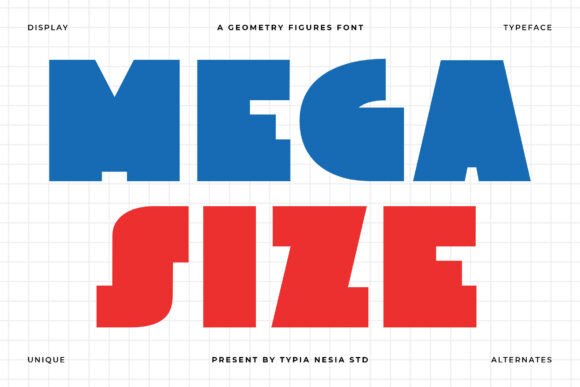
When it comes to visual communication, typography plays a critical role in shaping how a message is received. Among the many display fonts available to designers today, Mega Size has carved out a distinct niche. It's a bold, modern sans-serif typeface designed with geometric precision, making it ideal for applications where legibility and impact are key. Whether used in branding, packaging, or advertising, Mega Size offers a strong visual presence that commands attention without sacrificing clarity.
What Makes Mega Size Unique
Mega Size is built around solid, geometric forms that give it a sturdy and confident appearance. Each character is carefully crafted to maintain visual balance, even when scaled to large sizes. This makes it especially effective for headlines, posters, and logos where boldness and readability are essential. Unlike more traditional sans-serif fonts that lean toward neutrality, Mega Size embraces a playful yet minimal aesthetic that can elevate the tone of any design project.
One of its standout features is its ability to remain legible and visually cohesive at varying sizes. This is especially valuable in branding applications where consistency across different media is crucial. Whether it's printed on a billboard or displayed on a mobile screen, the font retains its structural integrity, ensuring that the message remains clear and compelling.
Comparing Mega Size to Other Display Fonts
In the broad category of display fonts, there are many options that aim to capture attention. Some lean into decorative or script styles, while others prioritize minimalism or retro aesthetics. Mega Size sits firmly in the modern, geometric camp, which sets it apart from more ornate or stylized alternatives. Compared to thinner or more delicate display fonts, Mega Size offers a more robust presence that works well in environments where clarity and visibility are top priorities.
For example, when compared to a rounded sans-serif, Mega Size presents a more structured and angular appearance. This can be an advantage when designing for brands that want to convey strength and modernity rather than a softer, friendlier tone. On the other hand, if a project calls for a vintage or hand-drawn feel, Mega Size may not be the best fit, as its clean, geometric design doesn't lend itself to those kinds of aesthetics.
Strengths and Tradeoffs
One of the main strengths of Mega Size is its versatility within the realm of bold typography. Its geometric construction allows for a clean, contemporary look that works well in both digital and print formats. It’s particularly effective when used in branding materials that require a strong visual identity—think packaging, logo design, and promotional posters.
However, like any design choice, there are tradeoffs to consider. Because of its bold and distinctive style, Mega Size may not be the best option for projects that require a more understated or classic typographic approach. Additionally, while it performs well at large sizes, using it in smaller body text could lead to readability issues, especially in long-form content. Designers should also be mindful of how the font interacts with other design elements—its strong presence can easily dominate a layout if not balanced properly.
When Mega Size Is the Right Choice
Mega Size shines in applications where visual impact is a priority. It's particularly well-suited for branding projects that aim to stand out in competitive markets. For instance, a new beverage brand launching a line of energy drinks might choose Mega Size for its packaging to convey boldness and modernity. Similarly, event posters or advertising campaigns that rely on short, high-impact messaging can benefit from the font’s commanding presence.
Graphic designers working on logo design will also find Mega Size to be a strong contender, especially when the brand identity leans toward contemporary and playful. Its geometric structure allows for creative customization while maintaining a clean, professional look. In digital contexts, such as website headers or mobile app interfaces, Mega Size can serve as a focal point that enhances the overall visual hierarchy without overwhelming the layout.
When Another Option Might Be Better
Despite its many strengths, there are situations where another font may be more appropriate. For editorial design or long-form content, a more neutral or serif-based font might offer better readability and a more traditional aesthetic. Similarly, if a project requires a more elegant or historical feel—such as for a luxury brand or heritage product—Mega Size’s modern and playful nature may not align with the intended tone.
Designers should also consider the broader typographic system they're working within. Mega Size works best when paired with complementary fonts that provide contrast and balance. If a project already incorporates multiple bold or geometric elements, introducing Mega Size could create visual overload rather than enhancement. In such cases, opting for a simpler sans-serif or a more restrained display font might yield better results.
Practical Considerations for Using Mega Size
Before incorporating Mega Size into a design project, it's important to test how it performs across different mediums and sizes. While it excels in large-format applications, designers should evaluate its legibility in smaller contexts such as mobile interfaces or printed materials with limited space. Additionally, considering the color contrast between the font and background is crucial—using Mega Size on busy or textured backgrounds may reduce its effectiveness.
Licensing is another factor to keep in mind. As with any commercial font, it's important to ensure that the usage rights align with the intended application. Designers should verify whether Mega Size is licensed for use in web, print, or product packaging, depending on the project's needs.
Final Thoughts on Choosing Mega Size
Selecting the right display font is about more than just aesthetics—it's about ensuring that the typography supports the message and enhances the overall design. Mega Size offers a compelling combination of boldness, clarity, and modernity that makes it a strong contender for a variety of visual projects. Its geometric construction and playful yet minimal style give it a unique character that can help brands and designers stand out.
However, like any design tool, it's most effective when used thoughtfully. Understanding its strengths and limitations allows designers to make informed decisions about when and how to incorporate it. Whether used for a logo, poster, or branding material, Mega Size can be a powerful asset when applied with intention and care.