Cracked Wood Font: A Playful Touch for Creative Projects
If you're searching for a font that adds charm, whimsy, and a vintage feel to your designs, look no further than Cracked Wood. This display font mimics the texture and irregularity of aged timber, making it ideal for creative projects that call for a rustic or nostalgic aesthetic. Whether you're designing Halloween posters, holiday cards, or custom merchandise, Cracked Wood brings a unique personality that few other fonts can match.
Why Cracked Wood Stands Out
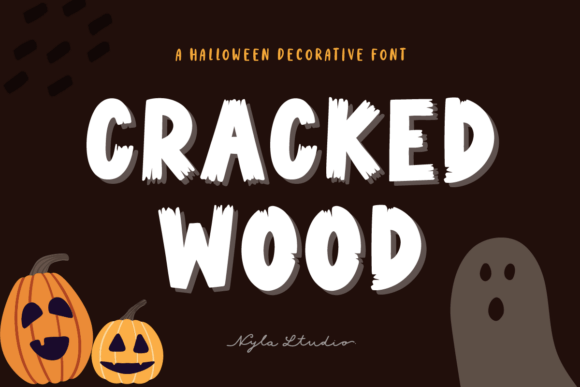
Unlike standard fonts that prioritize readability and uniformity, Cracked Wood leans into imperfection. Each letter is slightly weathered, with jagged edges and subtle cracks that evoke the look of real wood grain. This design choice makes it perfect for projects that benefit from a tactile, handcrafted feel.
Its playful nature doesn’t mean it lacks versatility. In fact, Cracked Wood shines in a variety of contexts, from seasonal invitations to branding materials. It’s especially popular among small businesses and independent creators who want to convey authenticity and warmth through typography.
- Perfect for Halloween and holiday-themed designs
- Ideal for retro and vintage-inspired branding
- Great for custom merchandise like mugs, shirts, and stickers
- Adds visual interest to posters, logos, and greeting cards
Applications of Cracked Wood in Design
One of the reasons Cracked Wood has become a favorite among designers is its wide range of applications. Let’s explore how this font can be used effectively across different creative fields:
Halloween and Seasonal Projects
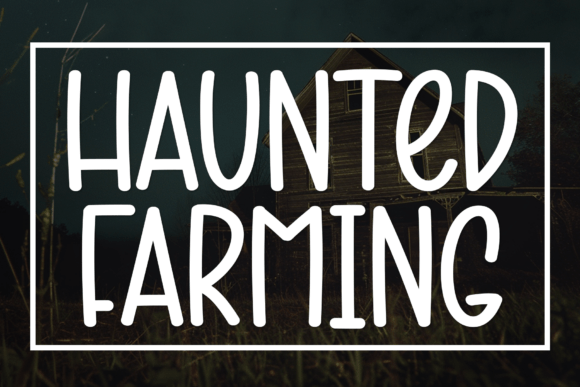
When designing for Halloween, the right typography can set the tone. Cracked Wood’s eerie, aged look makes it a natural fit for haunted posters, pumpkin-themed invitations, and spooky social media graphics. Its rough texture adds a sense of mystery and drama that enhances the overall Halloween vibe.
Similarly, during the holiday season, Cracked Wood can be used to create Christmas cards, gift tags, and ornament designs that feel nostalgic and handmade. Pair it with warm colors like red, green, and gold for a classic holiday feel.
Merchandise and Product Design
For entrepreneurs and creators selling custom products, Cracked Wood offers a unique way to differentiate their branding. Whether it’s a t-shirt slogan, a mug design, or a sticker layout, this font adds a rustic charm that appeals to customers looking for something offbeat and artistic.
Designers often pair Cracked Wood with simple backgrounds and minimalistic illustrations to let the font shine. When used on mugs or apparel, it gives the product a vintage or artisanal appeal that can attract niche audiences.
Logos and Branding
Many small businesses, especially those in the food, crafts, or lifestyle industries, are turning to Cracked Wood for logo design. Its organic, hand-carved appearance can communicate authenticity, sustainability, and craftsmanship—qualities that resonate with modern consumers.
However, it's important to use this font strategically. Since it's a display font, it works best in short titles or brand names rather than long paragraphs. For best results, combine it with a clean sans-serif font for subheadings or body text to maintain readability and visual balance.
How to Use Cracked Wood Effectively
While Cracked Wood is visually striking, it requires thoughtful application to avoid overwhelming your design. Here are some practical tips for using it effectively:
- Use it sparingly: Because of its textured appearance, Cracked Wood is best used for headlines, titles, or short phrases. Avoid using it for long blocks of text where clarity is essential.
- Pair with complementary fonts: To maintain visual harmony, pair Cracked Wood with a clean, modern font like Montserrat or Open Sans for supporting text.
- Consider color and contrast: The font works well in dark tones like charcoal or deep brown, but it also looks great in white or light colors when placed over textured backgrounds.
- Test for legibility: Always preview your design at different sizes to ensure the text remains readable, especially when used on small items like stickers or packaging.
Cracked Wood in Modern Design Trends
In today’s design landscape, authenticity and nostalgia are powerful tools. Consumers are increasingly drawn to brands and products that feel handmade, personal, and meaningful. This shift has fueled the popularity of fonts like Cracked Wood, which evoke a sense of history and craftsmanship.
From minimalist packaging to social media graphics, this font has found a place in modern workflows. Designers use it in Adobe Illustrator, Canva, Photoshop, and even Cricut or Silhouette for cutting vinyl designs. Its adaptability across platforms makes it a go-to choice for both digital and print media.
Where to Download and Use Cracked Wood
Cracked Wood is available on many font marketplaces such as Creative Market, Dafont, and Etsy. When downloading, make sure to check the licensing agreement to ensure it’s suitable for your intended use—especially if you're using it for commercial projects.
Some versions may come with additional glyphs or stylistic alternates, giving you more flexibility in your design. Be sure to explore these features to get the most out of the font.
Final Thoughts on Cracked Wood
Whether you're crafting a Halloween invitation or designing a logo for a local bakery, Cracked Wood offers a distinctive look that can elevate your project. Its playful, rustic charm makes it a standout choice in a world where clean, minimal fonts dominate the design space.
By understanding how to use it effectively and pairing it with the right design elements, you can create visuals that are not only eye-catching but also emotionally resonant. So next time you're looking for a font with character and warmth, consider giving Cracked Wood a try—it might just be the perfect fit for your next creative endeavor.