Learning School: A Distinctive Font for Creative and Practical Design Projects
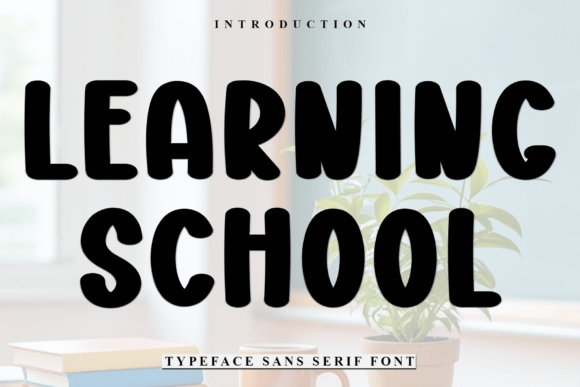
When selecting a font for design work, the right typeface can significantly influence the tone, readability, and visual appeal of a project. Learning School is a font that stands out for its soft, unique strokes and eye-catching aesthetic. Designed with a natural, handcrafted feel, it offers a blend of personality and versatility that makes it suitable for a variety of creative applications. Whether used in branding, educational materials, or artistic layouts, Learning School brings a distinct character that can elevate visual communication.
What Makes Learning School Unique?
Learning School is not just another decorative font; it’s crafted with intention. Its soft curves and balanced letterforms create a warm, approachable look that is both modern and timeless. Unlike rigid, overly stylized fonts that can feel artificial or hard to read, Learning School maintains clarity while adding a touch of charm. This makes it especially effective in designs that aim to feel personal, such as invitations, children's books, or branding for educational or creative businesses.
One of the key features of this font is its comprehensive character set. It supports a wide range of languages and symbols, making it adaptable for international use. Additionally, it integrates smoothly with various design platforms, including popular software on Windows and open-source systems. This compatibility ensures that users can implement Learning School across different digital and print media without technical barriers.
Comparing Learning School to Similar Fonts
Within the category of hand-drawn or script-style fonts, there are many options available, each with its own strengths and limitations. Some fonts lean heavily into whimsy, which can make them difficult to use in more formal or professional settings. Others prioritize legibility but sacrifice visual interest. Learning School strikes a balance—its design is expressive enough to stand out, yet structured enough to remain readable even in longer texts.
For example, compared to more stylized brush scripts, Learning School offers a more restrained and approachable appearance. It avoids excessive flourishes that can distract the reader or complicate layout design. In contrast, minimalist sans-serif fonts may offer greater neutrality and scalability, but often lack the warmth and personality that Learning School provides. This tradeoff means that the best choice depends on the specific goals of the design project.
Strengths and Limitations of Learning School
One of the major strengths of Learning School is its versatility. It works well across a range of applications, from logos and packaging to web design and print media. Its soft aesthetic makes it especially effective in projects aimed at younger audiences, educators, or creative professionals looking to convey a sense of warmth and authenticity.
- Soft, approachable design ideal for educational and artistic contexts
- Comprehensive character set supporting multiple languages
- Compatibility with major design platforms and operating systems
However, like any font, it has its limitations. Because of its distinctive style, Learning School may not be suitable for projects that require a more formal or corporate tone. In such cases, a cleaner, more neutral typeface may be more appropriate. Additionally, while the font is highly readable at moderate sizes, using it in very small text—such as body copy in print—could reduce legibility due to its thinner strokes and subtle details.
When to Choose Learning School
Learning School is an excellent choice for designers who want to add a touch of personality without sacrificing readability. It works particularly well in the following scenarios:
- Branding for educational or creative businesses—its soft, inviting style resonates well with schools, tutoring services, and creative studios.
- Print and digital invitations—its elegant yet casual appearance makes it ideal for baby showers, birthday parties, and other personal events.
- Children’s media and products—its playful yet legible form supports readability in books, apps, and toys designed for young audiences.
If your project requires a font that feels both professional and personable, Learning School can be a strong contender. It allows for creative expression while maintaining a level of polish that supports broader usability.
When to Consider Alternatives
While Learning School offers many advantages, there are situations where another font may be more appropriate. For example, in high-tech or corporate branding, a more modern, minimalist font may better reflect the brand’s tone. Similarly, for long-form reading such as articles or reports, a serif or sans-serif font optimized for extended text may provide better readability over time.
Designers should also consider the broader typographic hierarchy of a project. If a font with greater weight variation or extended language support is needed, exploring other options might be necessary. The key is to match the font’s characteristics with the project’s visual goals and functional requirements.
Making the Right Choice for Your Project
Selecting the right font is a balance between aesthetics and functionality. Learning School offers a compelling combination of visual appeal and practical usability, making it a solid choice for many creative and educational applications. However, like any design decision, it should be evaluated in the context of the overall project goals, audience expectations, and technical constraints.
Before finalizing your choice, consider testing Learning School in different sizes and layouts to ensure it performs well across your intended mediums. Compare it with alternatives to see how it stacks up in terms of legibility, tone, and adaptability. By taking a thoughtful, informed approach, you can ensure that your typographic choices enhance your design rather than limit it.