Logistic Import: A Modern Font for Approachable Design
When it comes to visual communication, the right font can make all the difference. Logistic Import stands out as a display font that blends casual charm with clean design, making it a versatile option for a wide range of creative and professional uses. Whether you're building a brand identity, designing packaging, or crafting digital content, this font offers a balance of readability and personality that can elevate your work.
Understanding the Design of Logistic Import
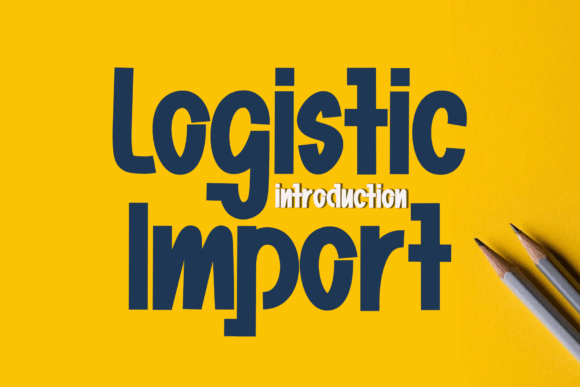
Logistic Import is crafted with clean lines and balanced letterforms that reflect a modern take on handwritten typography. Its subtle rounded edges add a softness that feels approachable, while the overall structure maintains a level of polish that keeps it professional. This combination makes it distinct from overly stylized or rigid fonts, positioning it as a middle ground between casual and refined.
Unlike traditional serif fonts that can feel formal, or overly bold sans-serif options that may seem impersonal, Logistic Import introduces warmth without sacrificing clarity. It's the kind of font that can work well in both print and digital formats, offering flexibility without compromising on visual appeal.
Why Font Choice Matters in Communication
The fonts we choose influence how messages are received. A well-chosen typeface can reinforce a brand’s personality, enhance readability, and even affect emotional engagement. Logistic Import supports this by offering a tone that feels friendly yet dependable—ideal for projects that aim to connect with audiences on a more personal level.
For example, a small business owner creating marketing materials may want to convey trust and approachability. Using Logistic Import for headlines or key messages can help strike that balance, especially when paired with more neutral body fonts that let the headline shine.
Practical Uses for Logistic Import
This font excels in applications where visual impact and readability are both important. Here are some specific scenarios where Logistic Import can make a difference:
- Branding and Logos: Startups and small businesses looking to project a modern yet personable image can benefit from using this font in logos or brand assets.
- Packaging Design: Product packaging that uses Logistic Import can feel more handcrafted and intentional, appealing to consumers who value authenticity.
- Headlines and Titles: Whether in print or digital media, headlines set in this font draw attention without overwhelming the reader.
- Social Media Graphics: Content creators and marketers can use it to add a warm, human touch to their visuals, helping their posts stand out in crowded feeds.
Supporting Creativity Without Compromise
Designers often face the challenge of finding a font that feels unique yet remains functional. Logistic Import addresses this by offering a distinct character without sacrificing legibility or versatility. It allows for creative expression while staying grounded in practical design principles.
For instance, an educator creating presentation slides may want a font that’s easy to read but also engaging for students. Logistic Import can work well for slide titles, especially when the rest of the layout uses a simpler, more structured font. This contrast helps guide the viewer’s attention without causing visual fatigue.
Who Benefits Most from Logistic Import?
Professionals and hobbyists across various fields can find value in this font. Here are a few groups who may benefit most:
- Entrepreneurs and Small Business Owners: Those building a brand from the ground up can use Logistic Import to create a visual identity that feels both modern and personable.
- Content Creators and Bloggers: Anyone producing digital content can use this font to enhance the visual appeal of their graphics, infographics, or video titles.
- Freelance Designers: Designers working on multiple projects can appreciate the font’s adaptability across different mediums and industries.
- Educators and Presenters: When designing materials for teaching or speaking engagements, this font can help make information more digestible and visually engaging.
Choosing the Right Context for Logistic Import
While Logistic Import offers many strengths, it's best suited for display use rather than long-form text. It works well at medium to large sizes, making it ideal for titles, logos, and short bursts of text where visual impact matters most. Using it for extended body copy may reduce readability, especially in smaller sizes or low-resolution environments.
Additionally, because of its casual tone, it may not be the best fit for highly formal or technical contexts. For example, a law firm’s website or a scientific research paper would likely benefit from a more traditional serif font. However, for creative agencies, lifestyle brands, or personal blogs, Logistic Import can be a strong stylistic choice.
Pairing Logistic Import with Other Fonts
One of the font’s strengths is its ability to pair well with a variety of complementary typefaces. To maintain visual harmony while ensuring readability, consider combining it with clean sans-serif or minimalist serif fonts. For example:
- Pair with Open Sans: Great for digital content where clarity and modernity are key.
- Combine with Lora: Offers a refined contrast that works well in editorial or storytelling formats.
- Use with Montserrat: A versatile sans-serif that keeps the design feeling contemporary and cohesive.
These combinations allow Logistic Import to shine as a headline or accent font while supporting content with more neutral, readable typefaces.
Final Thoughts on Using Logistic Import
Logistic Import is more than just a font—it’s a tool for enhancing visual communication in a way that feels both modern and personable. Its clean, balanced design bridges the gap between casual and professional, making it a versatile choice for designers and creators across industries.
Whether you're building a brand, designing marketing materials, or enhancing your digital presence, Logistic Import offers a unique blend of clarity and charm. By understanding its strengths and best use cases, you can integrate it into your projects with confidence, knowing it will support your goals without overwhelming your audience.