Understanding the Appeal and Versatility of the Shadow Outline Font
What Is Shadow Outline?
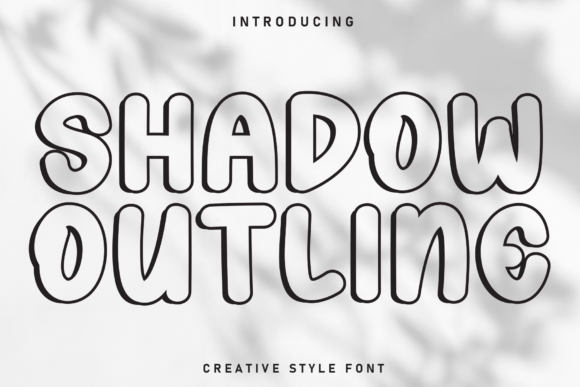
Shadow Outline is a modern display font that blends casual charm with clean design. With its balanced letterforms, subtle rounded edges, and crisp structure, it offers a polished yet approachable aesthetic. Designed to emulate the warmth of handwritten typography, this font is ideal for designers seeking a friendly and contemporary visual tone in their work.
The Design Elements That Make Shadow Outline Unique
At its core, Shadow Outline stands out due to its thoughtful design. Here are the key features that contribute to its distinct character:
- Clean lines that ensure readability without sacrificing style.
- Subtle rounded edges that soften the overall appearance, making it feel more personable.
- Consistent spacing that enhances legibility across different sizes and platforms.
- A shadowed outline effect that adds depth and visual interest without overwhelming the design.
This combination of traits makes it both versatile and visually engaging, suitable for a wide array of creative applications.
Why Shadow Outline Works Well Across Different Mediums
One of the standout qualities of Shadow Outline is its adaptability. Whether used in print or digital design, it maintains a cohesive and professional appearance. Here are some of the most common use cases for this font:
- Branding – Perfect for logos and brand identities that aim to feel modern, friendly, and trustworthy.
- Headlines – Its bold presence makes it ideal for website headers, magazine titles, and promotional banners.
- Packaging – Adds a warm and inviting touch to product labels, food packaging, and lifestyle brand materials.
- Digital content – Works well in social media graphics, app interfaces, and online advertisements where clarity and charm are key.
How Shadow Outline Enhances Visual Communication
Fonts play a crucial role in how messages are received and interpreted. Shadow Outline contributes to effective communication by combining readability with emotional appeal. Its clean structure ensures that the text remains legible, while its rounded, shadowed design adds a layer of warmth and personality.
For instance, a children’s book publisher might use this font for a book title to evoke a sense of playfulness and approachability. Similarly, a coffee shop could incorporate it into their menu board design to create a cozy and welcoming atmosphere.
Shadow Outline in Modern Design Trends
In today’s design landscape, there’s a growing preference for fonts that feel human and authentic. Shadow Outline fits right into this trend by offering a digital representation of handwritten style with a refined finish. This aligns well with the broader movement toward minimalism with personality — a design philosophy that values simplicity but avoids feeling cold or impersonal.
Designers who appreciate this balance often turn to Shadow Outline when crafting user interfaces, branding materials, or editorial layouts that need to feel both professional and personable.
How to Use Shadow Outline Effectively
While Shadow Outline is highly versatile, using it effectively requires some consideration of context and design principles. Here are a few tips to help you get the most out of this font:
- Pair it with simple sans-serif fonts for body text to maintain readability and contrast.
- Avoid overuse in long paragraphs — it works best as a headline or accent font.
- Use it in light or medium weights for digital screens to ensure clarity.
- Test it across devices to ensure consistent appearance on both mobile and desktop platforms.
Common Misconceptions About Display Fonts Like Shadow Outline
Some people assume that display fonts are purely decorative and lack practical use. However, Shadow Outline challenges this misconception by offering both visual appeal and functional design. It's not just about looking good — it's about enhancing user experience through thoughtful typography.
Another common misunderstanding is that such fonts are difficult to integrate into professional projects. On the contrary, when used appropriately, Shadow Outline can elevate a design without compromising on professionalism or clarity.
Real-World Examples of Shadow Outline in Action
To better understand how Shadow Outline enhances real-world projects, consider the following examples:
- Educational apps – Used for section headers to make learning feel more engaging and less formal.
- Event invitations – Adds a stylish yet approachable touch to digital and printed invites.
- Small business branding – Helps local shops and startups establish a friendly and modern brand identity.
- Mobile app UIs – Offers a clean and warm aesthetic for onboarding screens and feature highlights.
Why Shadow Outline Is a Valuable Addition to Any Designer’s Toolkit
Whether you're a seasoned designer or just starting out, Shadow Outline offers a blend of functionality and style that can enhance your creative projects. Its combination of clarity, charm, and versatility makes it a go-to option for a wide range of design needs — from branding to digital marketing to user interface design.
By incorporating Shadow Outline into your work, you can communicate warmth and professionalism simultaneously — a balance that’s increasingly important in today’s visually driven world.
Conclusion: Embracing the Modern Appeal of Shadow Outline
In conclusion, Shadow Outline is more than just a stylish font — it's a practical tool for creating designs that are both visually appealing and functionally effective. Its clean structure, friendly tone, and adaptability across media make it a standout choice for designers aiming to connect with audiences in a meaningful way.
As trends continue to evolve, fonts like Shadow Outline remind us that design is not just about aesthetics — it’s about emotion, clarity, and communication. Whether you're crafting a logo, designing a website, or creating marketing materials, this font offers the perfect blend of modernity and approachability to bring your vision to life.