Wet Ink: A Decorative Font for Distinctive Typography
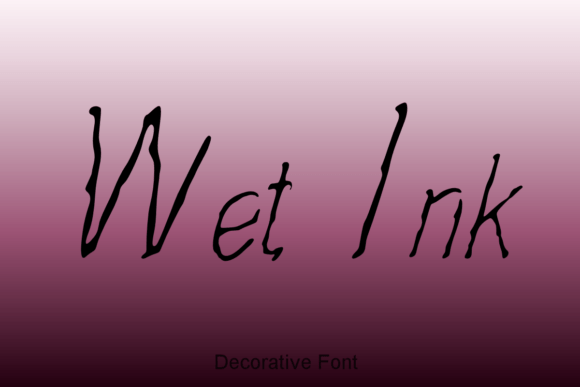
Wet Ink is a decorative typeface designed to mimic the appearance of freshly applied ink on paper. Its design captures the irregularities and fluidity of real ink, including subtle drips, smudges, and uneven edges. Unlike standard fonts that prioritize uniformity and clarity, Wet Ink embraces imperfection as a visual strength. This makes it especially suitable for projects where artistic expression and visual impact are key considerations.
Why Consider Wet Ink?
Designers and communicators often seek typefaces that stand out without relying on excessive embellishment. Wet Ink offers a tactile quality that evokes hand-crafted authenticity. This can be particularly appealing for branding, event posters, or packaging where a sense of immediacy and creativity enhances the message. Its textured appearance gives text a dimensional quality that many digital fonts lack.
Key Benefits of Wet Ink
- Visual distinctiveness: The font’s textured strokes and organic flow make it immediately noticeable, helping content stand out in a crowded visual space.
- Versatility in design: Wet Ink works well across various applications, including print media, digital graphics, and promotional materials.
- Artistic authenticity: Its ink-like characteristics evoke a sense of craftsmanship, appealing to those who want to convey creativity or a handmade aesthetic.
Considerations and Tradeoffs
While Wet Ink offers a compelling visual style, it is not universally applicable. Due to its decorative nature, it may not be suitable for long-form text or situations requiring high readability. It performs best at larger sizes, such as headlines or logos, rather than body copy. Additionally, the font’s textured strokes can sometimes reduce legibility in low-resolution formats or small print sizes.
Designers should also consider how Wet Ink aligns with the overall tone of a project. While it enhances expressive and informal messaging, it may not be appropriate for formal, technical, or corporate contexts where clarity and neutrality are essential.
When Wet Ink Is a Strong Fit
Wet Ink excels in creative environments where typography is part of the visual storytelling. Examples include:
- Event posters and flyers: Music festivals, art exhibitions, and theatrical performances benefit from the font’s dynamic presence.
- Brand logos and packaging: Companies aiming for a handcrafted or artisanal image can use Wet Ink to reinforce their visual identity.
- Social media graphics: Platforms that prioritize visual engagement respond well to the font’s distinctive appearance.
When to Explore Alternatives
For projects requiring legibility at small sizes or a more restrained visual style, alternative fonts may be more appropriate. If the goal is to convey professionalism, minimalism, or technical accuracy, sans-serif or serif fonts with clean lines might be better suited. Additionally, if the design must maintain consistency across both print and digital formats, fonts with simpler outlines may render more predictably across different screens and resolutions.
Practical Insights for Decision-Making
Before selecting Wet Ink, evaluate how it aligns with the intended message and medium. Ask the following questions:
- What is the primary use of the font? If it’s for headlines, logos, or short text blocks, Wet Ink may be a strong fit. For extended reading, consider pairing it with a more readable companion font.
- Who is the target audience? Creative audiences, such as artists or young consumers, may appreciate the font’s expressive nature more than formal or traditional audiences.
- How does it perform across formats? Test Wet Ink in both print and digital mockups to ensure it maintains visual integrity and readability.
Expectations and Realistic Use Cases
Wet Ink is not a workhorse font but a design accent. Users should expect to use it selectively to maximize impact. It functions best when used in moderation, complementing rather than dominating a layout. Designers who integrate Wet Ink into their projects should also be prepared to adjust spacing, color contrast, and background elements to enhance legibility and visual harmony.
Conclusion
Wet Ink offers a compelling blend of texture and style, making it a valuable addition to a designer’s toolkit when artistic flair is desired. Its ability to simulate real ink impressions brings a tactile dimension to digital and print media. However, its decorative nature requires thoughtful application to ensure effectiveness and readability. By understanding its strengths and limitations, designers can determine whether Wet Ink aligns with their creative goals and project requirements.