Parisa: A Striking Display Font with Timeless Elegance
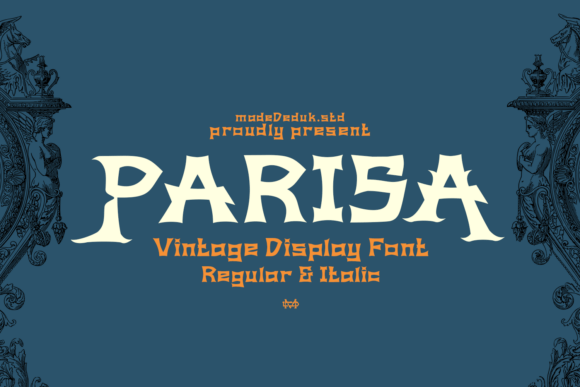
Parisa is more than just a font—it’s a statement. Designed with bold shapes, expressive details, and refined legibility, Parisa captures the grandeur of the empire era while remaining relevant for modern design projects. Whether you're crafting a book cover, a luxury logo, or a distinctive coffee shop identity, Parisa brings a regal presence that elevates any visual composition.
Why Parisa Stands Out
Unlike many decorative fonts that sacrifice readability for flair, Parisa balances both. It’s a single-weight typeface that doesn’t rely on variations to make an impact. Its vintage charm and classic sophistication make it ideal for designers who want to evoke a sense of timeless luxury without overwhelming their audience.
Parisa is particularly effective in branding and packaging design, where a strong visual identity is key. From product labels to tattoo studio logos, this font helps communicate elegance and exclusivity in a way few others can.
Common Mistakes When Choosing and Using Parisa
Despite its beauty, Parisa can be misused in ways that diminish its impact or compromise the overall design. Here are some common pitfalls and how to avoid them:
1. Using Parisa for Long Body Text
One of the most frequent mistakes is using Parisa as a primary font for paragraphs or large blocks of text. While it’s highly legible at a glance, its decorative nature and single weight make it unsuitable for extended reading.
Better approach: Reserve Parisa for headlines, titles, and short text elements. Pair it with a clean, complementary sans-serif or serif font for body text to maintain readability and visual harmony.
2. Overlooking Licensing Details
Some designers download or purchase Parisa without checking the licensing terms. This can lead to legal issues, especially if the font is used in commercial projects or distributed without proper permissions.
Better approach: Always verify the font’s license before using it in client work, product packaging, or digital platforms. Look for clear information from the font provider or designer, and consider purchasing a commercial-use license if needed.
3. Assuming It Works for Every Style
Parisa’s vintage and elegant aesthetic is a strength, but also a limitation. Designers sometimes try to force it into modern, minimalist, or playful contexts where it doesn’t fit, resulting in a mismatched or confusing visual tone.
Better approach: Use Parisa when your project calls for sophistication and a touch of history. If your design leans toward casual, techy, or ultra-modern, consider a different font family that better aligns with the intended mood.
4. Ignoring Kerning and Spacing Adjustments
Display fonts like Parisa often require manual adjustments to ensure optimal spacing and readability. Failing to tweak kerning can make headlines look awkward or unprofessional.
Better approach: Take the time to fine-tune letter spacing, especially in logo design or large-format print work. Use your design software’s kerning tools to balance visual appeal and clarity.
How Misuse Affects Design Quality
Mistakes with Parisa can lead to more than just aesthetic issues—they can impact how your message is received. Poor font choices can:
- Reduce readability and user engagement
- Undermine brand credibility and professionalism
- Lead to costly rework or legal complications
- Create inconsistency in visual identity systems
These issues are especially relevant in branding and packaging, where first impressions are crucial. A poorly chosen or improperly applied font can distract from your message instead of enhancing it.
What to Check Before Using Parisa
Before incorporating Parisa into your project, consider the following:
- Font Style Fit: Does the font align with your brand’s personality and design goals?
- Licensing: Is the font cleared for your intended use (personal, commercial, web, etc.)?
- Language Support: Does it include the characters you need for your text (e.g., accents, special symbols)?
- Compatibility: Will it display correctly across platforms and devices?
- Pairing Options: Can you find a suitable secondary font that complements Parisa without clashing?
Checking these factors ahead of time ensures that Parisa enhances your design rather than complicates it.
Examples of Parisa Done Right
Consider a boutique coffee shop looking to launch a new line of premium coffee bags. By using Parisa for the product name and pairing it with a simple, modern sans-serif for the description, the design team creates a luxurious yet approachable look. The font’s boldness ensures the product name stands out on shelves, while the supporting text remains easy to read.
In contrast, imagine a tech startup using Parisa for their app interface. The font’s ornate style clashes with the clean UI, making navigation buttons feel outdated and out of place. Here, Parisa fails to support the brand’s modern identity, highlighting the importance of context in font selection.
Final Thoughts
Parisa is a powerful tool in the right hands. Its bold presence and elegant design make it a standout choice for luxury branding, editorial design, and high-end packaging. But like any specialized font, it requires thoughtful application to avoid common design missteps.
By understanding its strengths, respecting its limitations, and planning your typographic choices carefully, you can ensure that Parisa enhances your work rather than hinders it. Take the time to preview, test, and adjust—your final design will reflect that attention to detail.
Explore Parisa’s previews and see how it could transform your next project. With the right approach, this elegant font can help you create something truly memorable.